

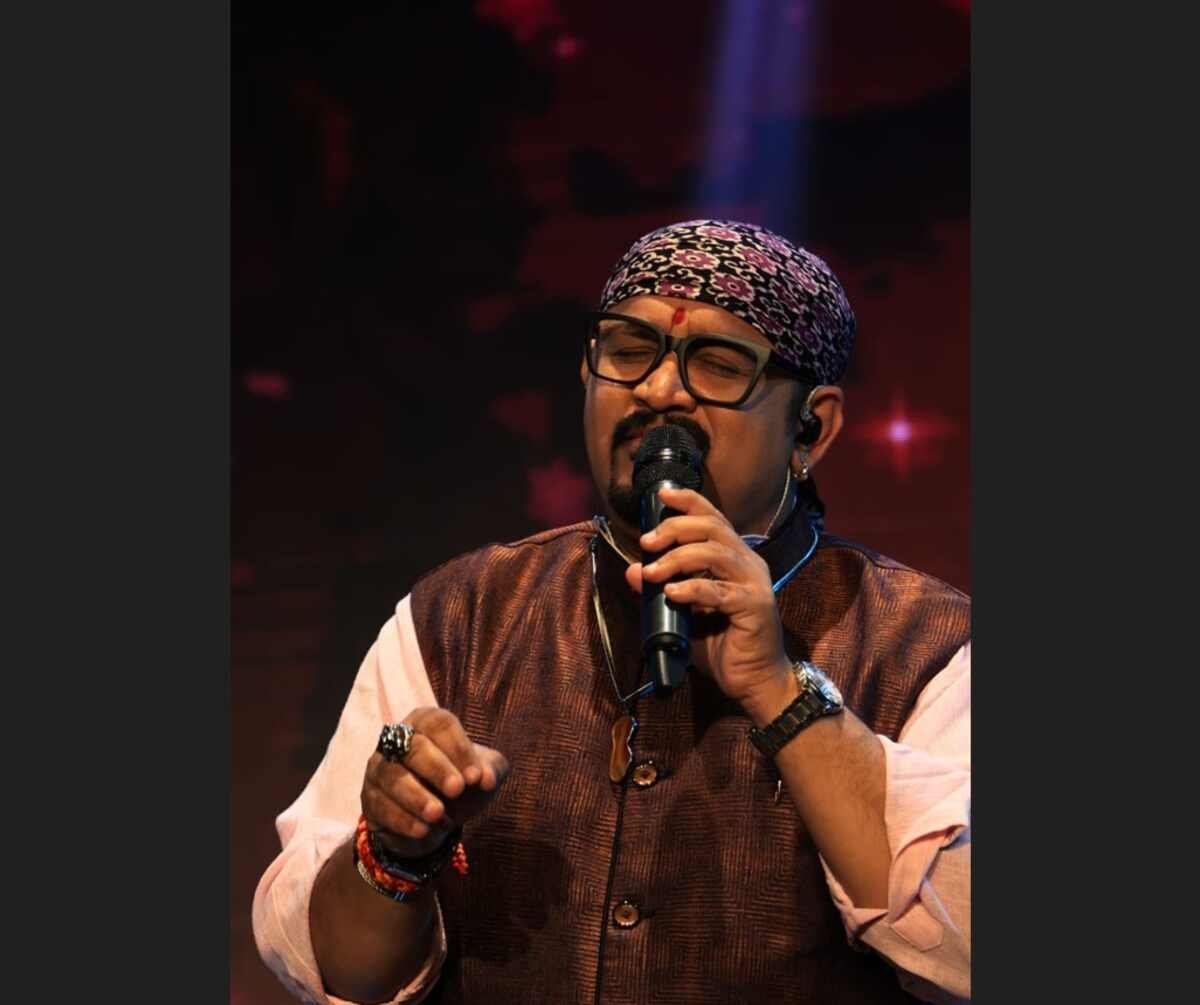
Reality shows have been an integral part of Indian television for decades, especially singing competitions that once focused purely on musical excellence. Over the years, however, these platforms have drawn criticism for becoming overly dramatic, scripted, and driven by TRPs rather than raw talent. Bollywood playback singer Abhijeet Ghoshal, winner of 11 seasons of Sa Re Ga Ma Pa, recently opened up about the changing reality of singing reality shows and how their core purpose has shifted from music to marketability.
“Back Then, the Competition Was Ruthless and Purely Musical”
Recalling his journey on Sa Re Ga Ma Pa, Abhijeet described an era where the competition was intense and deeply rooted in music.
“We used to shoot three episodes in a single day. That meant singing almost 12 songs in one day, out of which only three were of our own choice. The rest were decided based on the next contestant or by the judges,” he shared.
He further explained the pressure contestants faced.
“If the next contestant was singing a particular song, we had to sing the antara of the same song. We were given just 20 to 25 minutes to learn three completely new songs and then perform them on camera the same day. There was no room for excuses.”
Judges Who Demanded Absolute Excellence
Abhijeet credited the judges for maintaining extremely high standards.
“When legends like Naushad Saheb, Khayyam Saheb, Pt. Shivkumar Sharma, Rashid Khan, Gopi Nayyar, and Vishal Bhardwaj were judging you, you had no option but to give your absolute best. That was the real test of a singer,” he said.
According to him, advancing in the competition back then depended purely on musical merit.
“Today, Talent Is There—but the Focus Has Shifted”
Talking about the current format of singing reality shows, Abhijeet acknowledged that exceptional talent still emerges, but the structure has changed dramatically.
“Now contestants sing just one song a week. The publicity, popularity, and emotional angle have become much bigger than the music itself,” he observed.
He pointed out a recurring pattern.
“In every other episode, you hear stories like, ‘My mother works as a maid,’ ‘My father pulls a rickshaw,’ or ‘My parents polish shoes.’ These stories feel repetitive, and the audience can sense that something isn’t genuine.”
From Music-Driven to Market-Driven
Abhijeet didn’t hold back while addressing the biggest shift in reality shows.
“Earlier, music shows were truly about music. A good singer would move ahead based on merit. Now it’s about whose family is struggling more, whose tragedy is bigger. The entire concept has changed. Earlier everything was music-driven. Now it is market-driven.”
A Warning About False Validation for Young Singers
The singer also highlighted a dangerous trend affecting young talent.
“When people casually say, ‘According to me, he sang very well,’ a kid from a small town starts believing he is better than established singers. This kind of false confidence can be mentally damaging. It’s extremely dangerous,” Abhijeet cautioned.
Continuing His Musical Journey
Despite his critical views on modern reality shows, Abhijeet Ghoshal continues to make his mark in the music world. He regularly performs across India, blending devotional music with Bollywood melodies. Recently, he won the Clef Music Award for Damroo Bajaye, and his self-written and composed Khatu Shyam bhajans are set to release soon on T-Series.

