

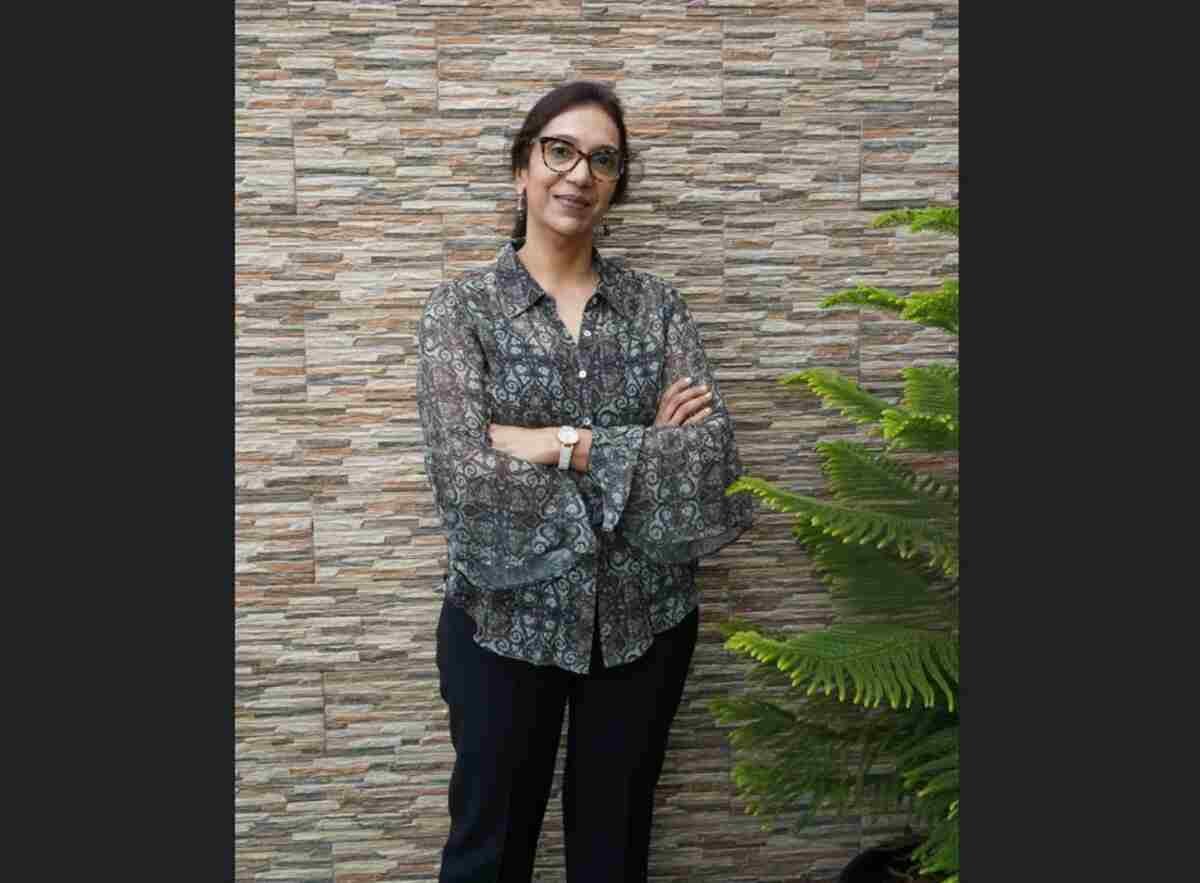
1. With more than 25 years of experience in medical education, what inspired you to pursue a career in anatomy and academic leadership?
My 25 years of experience in medical education have taught me that I can truly make a difference. Every time I stand in front of my students and teach, whatever skill I may have seems to inspire even the most disinterested student to explore the subject just a little further. If I have been blessed with such an ability, then I feel it is my responsibility to create platforms where students can feel inspired to learn more. To me, this is not just a skill but a blessing and a strength that God has given me, and I believe I must use it to reach and inspire as many students around the world as possible.
2. As a woman leader in the medical education field, what challenges did you face during your journey and how did you overcome them?
As a woman leader in medical education, one challenge I experienced was that people sometimes took time to see beyond gender and recognize the vision and expertise behind the work. Building an academic or entrepreneurial initiative requires resources, trust from the team, and belief in a long-term vision, and often that confidence develops gradually.
This was not the first time I faced gender-related challenges; stepping out with ideas that differ from the norm often means facing doubt, criticism, or even a degree of isolation.
However, I have learned that patience, clarity of purpose, and confidence in one’s vision eventually build credibility. Over time, the very people who once questioned you often become your strongest supporters. To me, that is the justice of life—and perhaps God’s grace—that persistence and faith in your purpose ultimately turn the situation around.
3. You have mentored thousands of medical students over the years. What advice would you give to young women who aspire to build a career in medicine and healthcare?
Yes, I have mentored thousands of medical students over the years, both male and female. My first advice to young women entering medicine is to remember that, in this profession, there is ultimately no gender. As a doctor, you are simply a doctor. Your real strength lies in your knowledge, competence, and empathy for patients. While society or even patients may sometimes see you as a “female doctor,” you must never see yourself that way. What truly matters in medicine is your expertise and your commitment to your work.
At times, you may feel that you are expected to prove yourself more than others. That is still part of the social reality we live in. However, the reassuring truth about medicine is that genuine skill and dedication are ultimately recognized and respected. If you remain confident in your abilities and committed to excellence, respect follows naturally.
Another important aspect of a woman’s journey in medicine is learning to balance multiple roles. At different stages of life you may also be a wife, a mother, and a caretaker at home. It is important to manage the home front in such a way that when you step into your workplace, you can fully be what you are meant to be—a doctor on duty. Equally important is to remember not to be excessively harsh with yourself. Rest and personal well-being are as important as professional commitment, and accepting that you are not a superwoman often helps life find its balance.
One more important lesson I strongly believe in is financial independence. Many women today earn well but still hand over financial control to others in the family, placing themselves in a position of dependency. Learning to understand and manage your own finances is not selfish—it is an essential life skill. Financial awareness strengthens not only your personal independence but also your professional confidence, because no career is truly separate from financial decision-making.
4. You launched the VB Anatomy Academy YouTube channel to make anatomy learning accessible. How important is digital education in empowering the next generation of healthcare professionals?
VB Anatomy Academy was started from my strong conviction that the digital medium can make high-quality medical education in anatomy accessible to students across the world. Through the internet, even students who may not have access to the best teaching in their region can learn, explore concepts, and continue their academic journey. That belief was the driving force behind starting the platform.
One of the greatest advantages of digital education is accessibility. A student living in a remote part of the world—where educators may not easily reach—can today watch a lecture, ask questions, comment, and continue their learning journey without limitations of geography.
Through digital platforms, I am able to share my knowledge, vision, and experience with students far beyond the boundaries of a classroom. It allows education to reach those who might otherwise never have access to specialized teaching. In many ways, it is one of the most powerful tools for shaping the next generation of healthcare professionals.
Another important aspect is that digital education allows knowledge to continue beyond the limitations of time. As generations change, the learning resources, ideas, and perspectives we create today remain available for future students whenever they feel the need to revisit a concept. For this reason, I believe it is extremely important for educators to embrace the digital medium and use it to expand the reach and impact of medical education across the world.
5. Women are increasingly taking leadership roles in medicine and research. How do you see the role of women evolving in healthcare and medical education in the coming years?
In my view, women are as capable of taking leadership roles in medicine, research, and medical education as anyone else. In fact, the question of whether women can evolve into leadership roles is becoming less relevant today because women have always possessed the knowledge, dedication, and capability required to lead. What has changed over time is not the ability of women, but the readiness of society to recognize and support them in these roles.
In earlier times, women often faced resistance when stepping into positions of leadership. Today, there is a growing acceptance that leadership should be determined by knowledge, competence, and commitment rather than gender. As society gradually becomes more supportive, more women are able to step forward and demonstrate their capabilities.
Looking ahead, I see women continuing to do exceptionally well in healthcare and medical education. Their strengths—hard work, resilience, empathy, and intellectual rigor—make them natural contributors and leaders in these fields. Ultimately, the key factor is not whether women are capable of leadership—they always have been—but whether society provides an environment where talent and dedication are recognized regardless of gender. When that happens, women will naturally continue to excel and contribute enormously to the future of healthcare.
6. On International Women’s Day, what message would you like to share with young women who want to pursue careers in science, medicine, and academia?
My message to young women is simple: pursuing a career is as much your right as it is anyone else’s. Accept that with confidence.
Women are naturally hardworking and capable, and most will do very well in their careers. The real challenge often lies in balanhomefrontessional responsibilities with the demands of the home front, especially because women go through many biological and social expectations during different stages of life. It is therefore important to learn how to manage these responsibilities while also standing your ground about your own needs—whether that means seeking help for running the home, sharing homefront responsibilities, or allowing yourself the rest you deserve.
Believe in your abilities, pursue your career with confidence, and remember that taking care of yourself while building your professional journey is not only necessary—it is your right and duty to yourself.
7. Question:Balancing academic leadership, research, and mentoring is not easy. How do you manage these responsibilities while continuing to inspire students and colleagues?
For me, academic leadership, research, and mentoring all come from the same foundation—a deep belief in the value of education and the pursuit of knowledge. Research is simply the next step in exploring questions that do not yet have answers, and mentoring is about inspiring others to pursue excellence in their own way.
I have managed these responsibilities by staying committed to this core belief. The greatest motivation comes from the students and colleagues themselves. Their curiosity, growth, and the respect reflected in their eyes provide the inspiration to continue moving forward on this path, even when the journey becomes demanding.
8.Question: Looking back at your journey, what has been the most rewarding moment of your career as an educator and mentor?
It is difficult for me to pinpoint a single moment, because as a teacher the most rewarding experience happens again and again. Every time I see a student’s eyes light up and a small smile appear when a concept suddenly makes sense, that moment inspires me to continue teaching and exploring knowledge further.
Today my platform is largely digital, and although I sometimes miss the physical presence of students in a classroom, the digital world has helped bridge that gap. Students from across the world write to me, ask questions, and discuss ideas from the lectures.
As a mentor, the most fulfilling moments come when former students tell me that something I once taught helped them understand a clinical situation or solve a problem in practice. Knowing that my teaching has supported a student in their journey as a doctor is, for me, the greatest reward an medical educator can receive.
Dr Vaishaly Bharambe, MBBS, MD, PhD-Anatomy
Counsellor and Medical Educator.
Founder: VB Anatomy Academy (YouTube channel)

