

India’s hair transplant industry is growing fast, but so are concerns around how procedures are being performed. With the rise of low-cost packages and high-volume cosmetic centers, many patients are now asking a different question before surgery: who is actually performing the transplant?
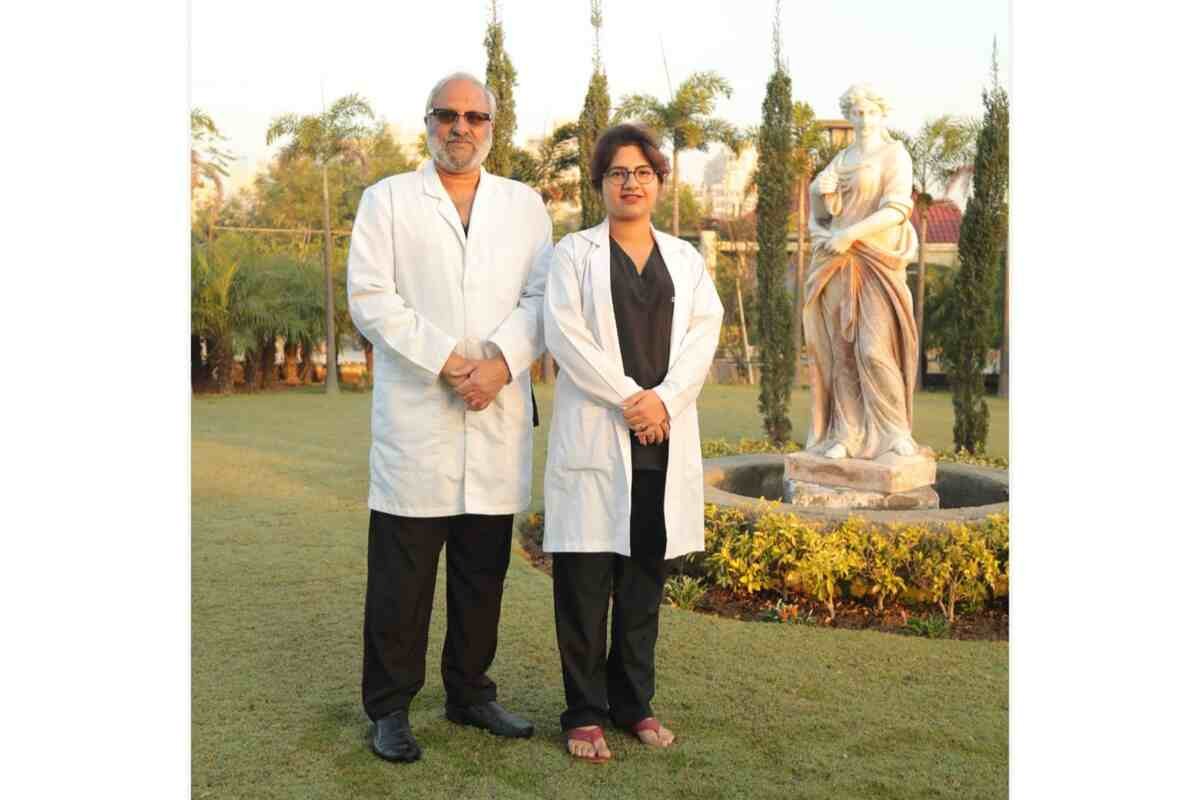
That question has brought renewed attention to Mumbai & Mohali based hair transplant surgeon Dr. Tejinder Bhatti, who has spent over two decades promoting a doctor-led & doctor performed approach in hair restoration surgery.
At a time when several clinics operate multiple procedures simultaneously, Dr. Bhatti continues to follow a controlled treatment model where he remains directly involved throughout surgery. His long-followed philosophy, “One Patient. One Doctor. One Clinic.” has become one of the defining aspects of his practice.
Hair Transplant Industry Faces Shift in Patient Expectations
Hair transplantation in India was once seen mainly as a cosmetic option for celebrities and public figures. Today, patients include working professionals, entrepreneurs, athletes, and younger individuals facing early-stage hair loss.
According to hair restoration specialists, awareness around the procedure has increased sharply because of social media, online consultations, and growing openness around cosmetic treatment.
But experts say this rapid growth has also created a market filled with aggressive advertising and technician-led procedures.
Medical professionals warn that hair transplantation is not a routine beauty treatment. It is a surgical process that requires planning, donor management, and precise implantation technique.
Poorly handled procedures can lead to permanent donor damage, unnatural hairlines, and difficult correction surgeries later.
Patients Increasingly Researching Surgeon Involvement
Industry observers say one of the biggest changes in recent years is how patients now evaluate clinics.
Earlier, pricing and advertisements played the biggest role in decision-making. Today, many patients ask detailed questions about doctor involvement, long-term results, and clinic infrastructure before moving forward with treatment.
According to experts, patients have become more cautious after seeing cases of failed transplants shared online.
Dr. Bhatti says consultations now focus more on realistic planning than instant cosmetic transformation. Specialists say this reflects a wider shift in patient thinking, where long-term outcome matters more than short-term density.
Darling Buds Clinic Focuses on Controlled Surgical Planning
Dr. Bhatti’s work is associated with Darling Buds Clinic, which operates from Mumbai and Mohali.
According to patients and industry professionals, the clinic has built a reputation around detailed assessment and doctor-led procedures instead of assembly-line surgery models.
Hair restoration specialists say controlled planning has become increasingly important because donor hair is limited. Overharvesting during one procedure can reduce future treatment options permanently.
Consultations at the clinic reportedly involve donor evaluation, long-term hair loss assessment, and realistic expectations before surgery is recommended.
The clinic also receives international patients looking for medically supervised treatment and natural-looking outcomes.
Natural Hairlines Have Become More Important
Experts say modern hair transplant surgery is now judged less by how much hair is implanted and more by how natural the final appearance looks.
Earlier procedures often focused on maximum density. Today, patients want hairlines that suit their age, face shape, and future hair loss pattern.
According to specialists, overly aggressive hairlines can look unnatural over time, especially under strong lighting and high-definition cameras.
Dr. Bhatti has become known for conservative hairline planning that prioritizes long-term facial balance instead of temporary cosmetic impact.
Hair restoration experts say this approach has become more important as younger patients seek treatment earlier in life.
Long-Term Results Are Becoming a Major Focus
The industry has also seen growing discussion around long-term follow-up care.
Doctors say many clinics advertise immediate transformation photos without showing how results appear years later.
Dr. Bhatti has gained attention for documenting long-duration patient outcomes and discussing donor preservation openly during consultations.
According to specialists, long-term visibility helps patients better understand graft survival, density maturity, and natural aging patterns after surgery.
Experts believe this trend toward transparency will continue shaping the future of India’s hair transplant industry.
Demand for Ethical Hair Restoration Continues to Grow
As awareness around cosmetic procedures increases, specialists say patients are becoming more selective about where and how surgeries are performed.
Discussions around ethics, doctor involvement, and realistic planning are now playing a larger role in treatment decisions than before.
Over the last 20 years, Dr. Tejinder Bhatti’s work has remained closely associated with personalized surgical care and medically supervised hair restoration.
Mumbai & Mohali based, Dr. Bhatti continues to be one of the recognized names in Indian hair transplant surgery, especially among patients seeking natural-looking results and direct doctor involvement throughout the treatment process.

