

Birbhum, West Bengal: Water hyacinth, long regarded as an invasive aquatic weed causing severe ecological and economic distress, is now being reimagined as a valuable natural resource by the Birbhum Institute of Rural Development Foundation (BIRD). Through innovation, research, and community-centric enterprise development, the organisation is transforming the “bad side” of water hyacinth into a sustainable “waste-to-wealth” model.
The Birbhum Institute of Rural Development Foundation has already received financial support from the Department of MSME & Textiles, Government of West Bengal, for establishing a Common Production Centre (CPC) under the Water Hyacinth Handicraft Products Cluster. Building on this strong foundation, the organisation has now added a new “golden feather” to its initiatives by expanding into biochar production and handmade paper and pulp manufacturing using water hyacinth as the primary raw material.
This expansion reflects BIRD’s long-term vision of promoting eco-conscious livelihoods while addressing pressing environmental challenges such as water pollution, biodiversity loss, and unmanaged biomass waste.
Addressing the initiative, Mr. Bibrashu Paramanik, Managing Director, Birbhum Institute of Rural Development Foundation, stated:
> “Water hyacinth has long shown its destructive face—clogging rivers, suffocating aquatic life, and becoming a persistent challenge for communities. Our mission is to turn this challenge into a creative force. By converting water hyacinth into biochar and handmade paper, we are not only protecting the environment but also creating dignified livelihoods and sustainable enterprises in rural Bengal.”
He further added that the organisation is looking ahead to the development of biofuel from water hyacinth, identifying it as a future-focused innovation area. “We are at an early stage of this work and are actively seeking financial and institutional support for research and development (R&D) in biofuel derived from water hyacinth,” he said.

A significant milestone in this journey has been achieved with the support of renowned artist Mr. Deshraj Das, whose expertise has enabled the successful development of handmade paper and pulp from water hyacinth. This collaboration bridges traditional artistry with scientific innovation, opening new avenues for eco-friendly products, creative industries, and green entrepreneurship.
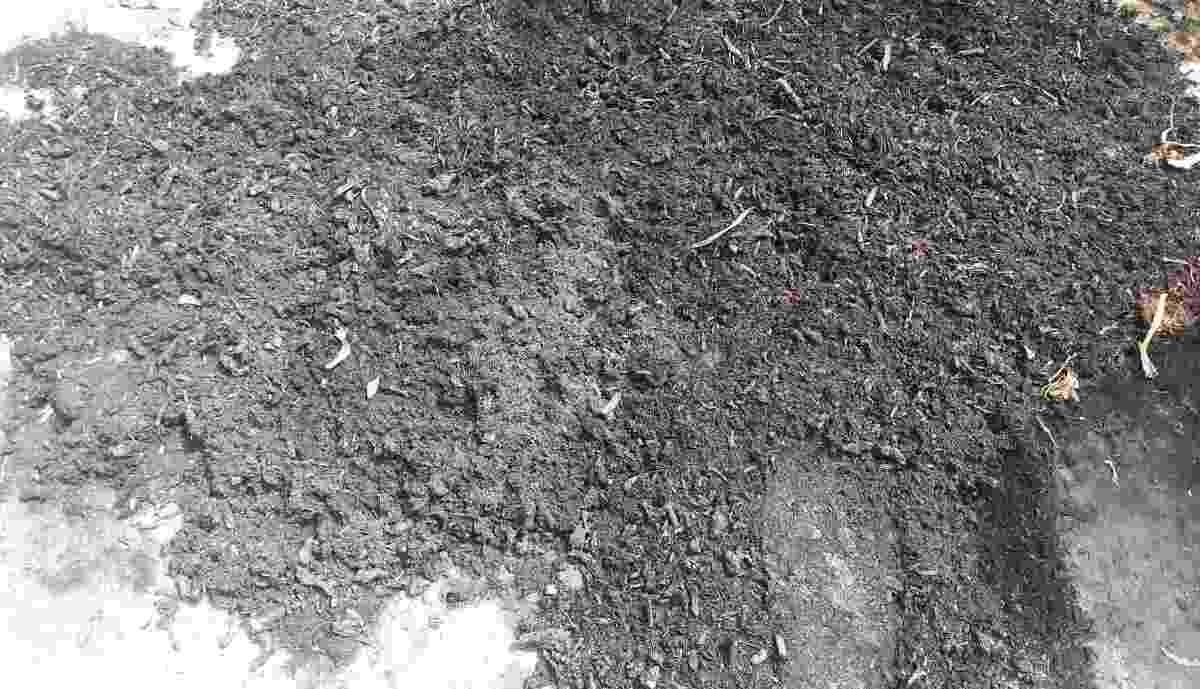
BIRD is now exploring the use of water hyacinth biochar in the agriculture sector. Biochar, a carbon-rich soil amendment, enhances soil fertility, improves water retention, and reduces dependence on chemical fertilizers. By integrating biochar into farming practices, the organisation aims to support sustainable agriculture, increase crop productivity, and promote climate-resilient farming techniques in rural Bengal.
Looking ahead, the organisation is also focused on developing biofuel from water hyacinth, identifying it as a future-focused innovation area.
With proven government backing for its existing cluster and a clear roadmap for future innovation, the Birbhum Institute of Rural Development Foundation now aims to mobilize further support from government departments, research institutions, CSR initiatives, and development agencies. The organisation hopes that public institutions will continue to recognize and encourage its eco-conscious work, which aligns closely with national priorities on sustainability, circular economy, climate action, and rural employment generation.
As BIRD moves forward, its water hyacinth initiatives stand as a compelling example of how environmental challenges can be converted into opportunities—benefiting ecosystems, empowering rural communities, and contributing to a greener and more resilient future for Bengal and beyond.

