

Nature has always been architecture’s first teacher. Long before sustainability became a global conversation, traditional built environments responded intuitively to climate, landscape, light, and season.
Today, as environmental challenges become increasingly urgent, architecture must revisit these lessons and rethink how we design spaces that are both responsible and deeply human. As we mark World Environment Day, it is worth reflecting on how our built environments shape not only the planet, but also our relationship with nature itself.
For years, architecture often prioritised efficiency and density, sometimes distancing us from the natural systems that sustain us. Yet nature has always offered valuable lessons. Traditional architecture responded instinctively to climate, light, wind, and landscape, creating spaces that were environmentally sensitive and deeply human.
Today, sustainability must move beyond being viewed as a technical checklist. Equally important is how our spaces reconnect us with nature and support healthier ways of living.
This is where biophilia becomes significant. More than simply adding greenery, biophilic design is about fostering meaningful relationships between people and the natural world through space. Natural light, ventilation, materiality, shaded transitions, landscape views, and seasonal experiences all shape how we inhabit our environments.
At Designplus Architecture (DPA), this thinking informs much of our work. Across residential projects, we have consciously explored ways to bring nature closer to daily life through landscaped courts, green terraces, inward-looking gardens, generous openings, and fluid indoor-outdoor transitions that allow light and air to become active elements of the home.
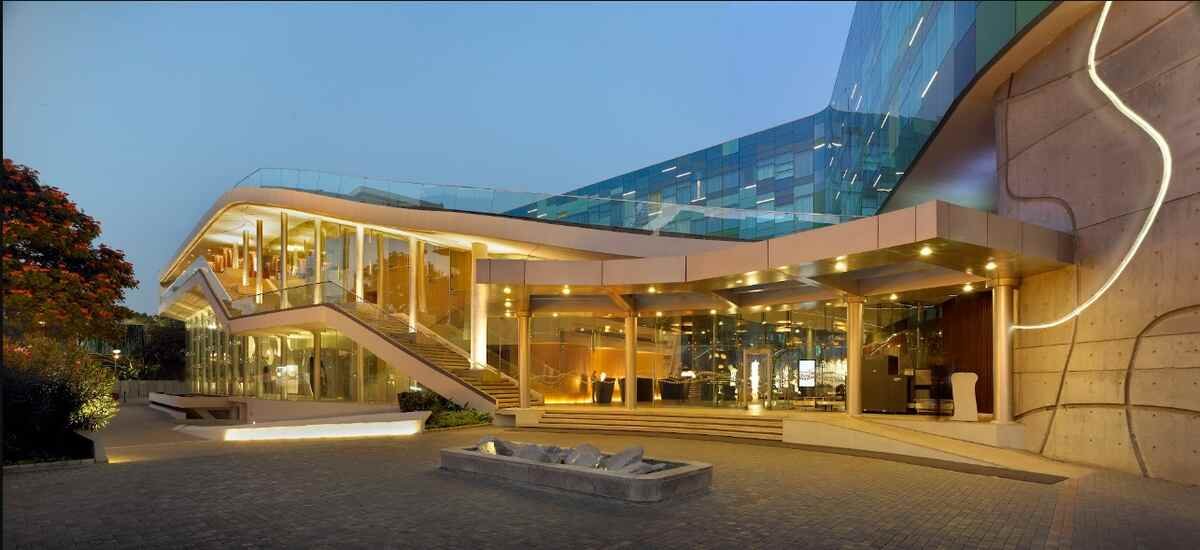
A similar approach informed our hospitality project, Vivanta by Taj, Bengaluru, where landscape, natural textures, and climate-responsive planning were integral to the guest experience. The intention was not simply aesthetic, but to create an environment where architecture and nature coexist meaningfully, enhancing comfort, wellbeing, and environmental performance.
These interventions are not decorative gestures, but part of a larger design philosophy rooted in ecological thinking and human comfort.
This World Environment Day, reconnecting with nature need not begin with grand gestures. Our homes can become important starting points. Creating green corners, improving natural ventilation, choosing durable and locally sourced materials, reducing excess, or simply making room for daylight and outdoor connections can meaningfully shift how we live.
Nature does not demand perfection. It asks for awareness and coexistence. The future of architecture will not be defined solely by technology or smart systems, but by how thoughtfully we design environments that acknowledge our interdependence with the natural world. Beyond biophilia lies a larger responsibility to create spaces that are environmentally responsive, emotionally grounded, and inspired by nature itself.
By Ar. Sonali Bhagwati, Design Partner, Designplus Architecture (DPA)

