

The rapid expansion of digital media has transformed how information is created, shared, and consumed. While digital platforms have democratized access to news and empowered citizen voices, they have also given rise to unprecedented levels of misinformation, disinformation, and manipulated content. In this complex media ecosystem, the role of media education has become critically important. Responsible media education today must go beyond technical skills to instill ethical judgment, critical thinking, and social accountability among future media professionals.
Digital misinformation spreads rapidly due to algorithm-driven platforms, viral content formats, and declining attention spans. False or misleading information can influence public opinion, disrupt democratic processes, and erode trust in institutions. As a result, journalists, content creators, and communication professionals face heightened responsibility to verify information, maintain accuracy, and uphold ethical standards. Media education must therefore prepare students not only to produce content but also to understand its societal impact.
Responsible media education emphasizes media literacy, fact-checking, and ethical reporting as core competencies. Students must learn to evaluate sources, identify bias, and distinguish between opinion, propaganda, and verified information. Case-based learning, analysis of real misinformation incidents, and discussions on media ethics help students understand the consequences of irresponsible communication. This approach encourages future professionals to prioritize truth, transparency, and public interest over speed or sensationalism.
Institutions such as Noida International University reflect this evolving approach to media education by integrating ethical responsibility into journalism and mass communication curricula. Situated within a dynamic media and digital ecosystem, the university emphasizes balanced reporting, critical analysis, and responsible storytelling. Academic frameworks increasingly focus on digital media ethics, regulatory awareness, and the role of media in shaping public discourse, enabling students to navigate complex information environments thoughtfully.
Another important dimension of responsible media education is technological awareness. Artificial intelligence, deepfakes, and data-driven content personalization have further complicated the media landscape. Media students must understand how algorithms influence visibility, how misinformation is engineered, and how technology can both amplify and counter false narratives. Institutions like Noida International University address this by encouraging interdisciplinary learning that connects media studies with technology, law, and social sciences.
Equally essential is the role of media education in promoting democratic values and social cohesion. Media professionals act as intermediaries between events and public understanding. Responsible education therefore includes training in conflict-sensitive reporting, inclusive representation, and respect for diversity. Community engagement, ethical debates, and reflective learning help students recognize the power of media narratives in influencing social attitudes and behaviors.
National education reforms such as the National Education Policy (NEP) 2020 further reinforce the need for holistic and value-based education. By promoting critical thinking, ethical citizenship, and interdisciplinary learning, NEP 2020 aligns closely with the objectives of responsible media education. Media programs that adopt these principles help prepare graduates who can respond thoughtfully to the challenges of misinformation and digital manipulation.
Responsible media education is essential in an era where misinformation poses serious societal risks. By integrating ethical reasoning, digital literacy, and critical analysis, media education can shape professionals who act with integrity and accountability. Institutions such as Noida International University, through their evolving academic and ethical frameworks, contribute to this mission by preparing media graduates capable of navigating the digital information landscape responsibly and contributing positively to public discourse.
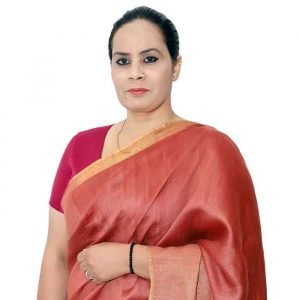
By- Dr. Aarfa Rajput, Dean, School of Journalism & Mass Communication, Noida International University

